

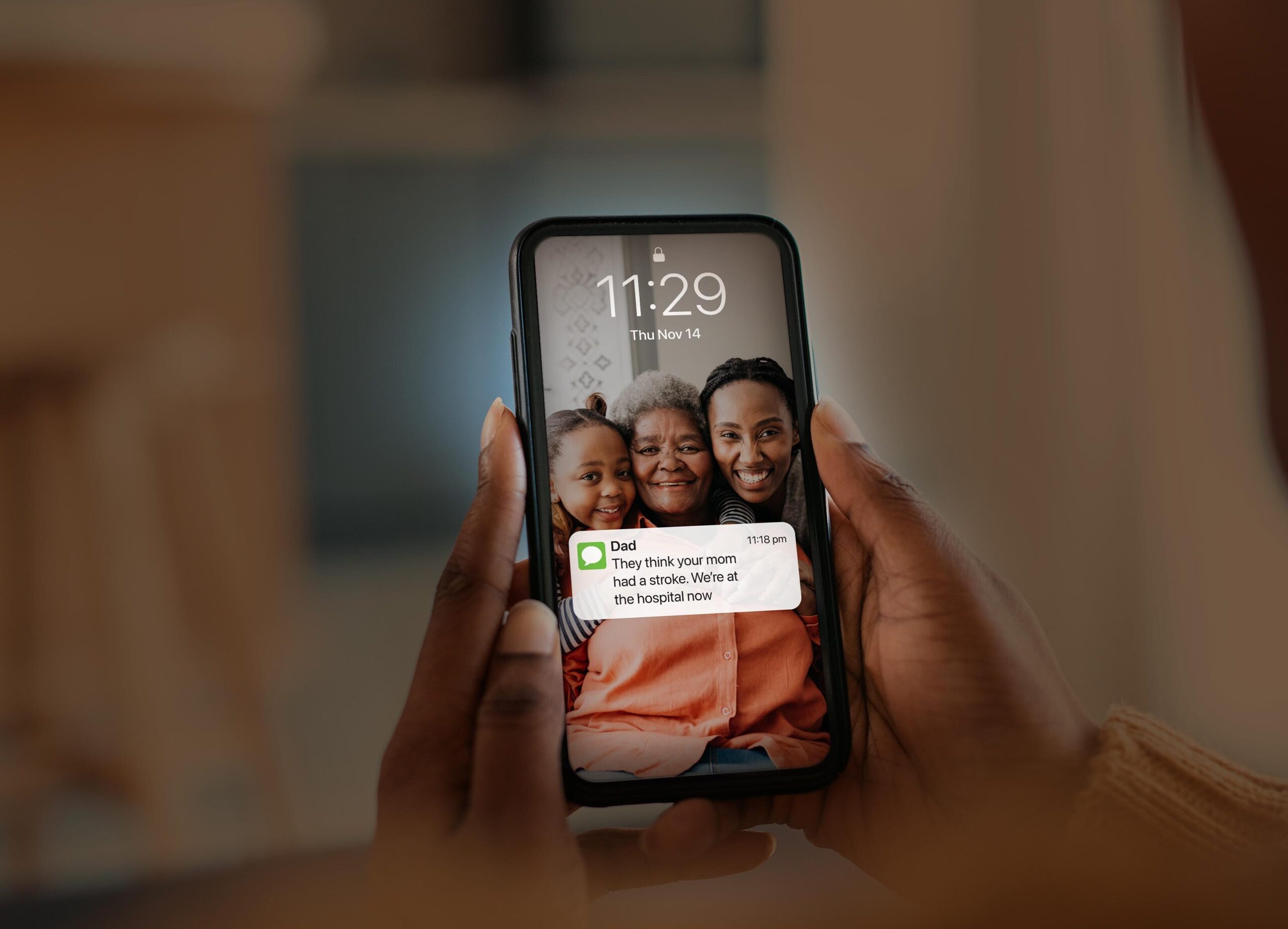
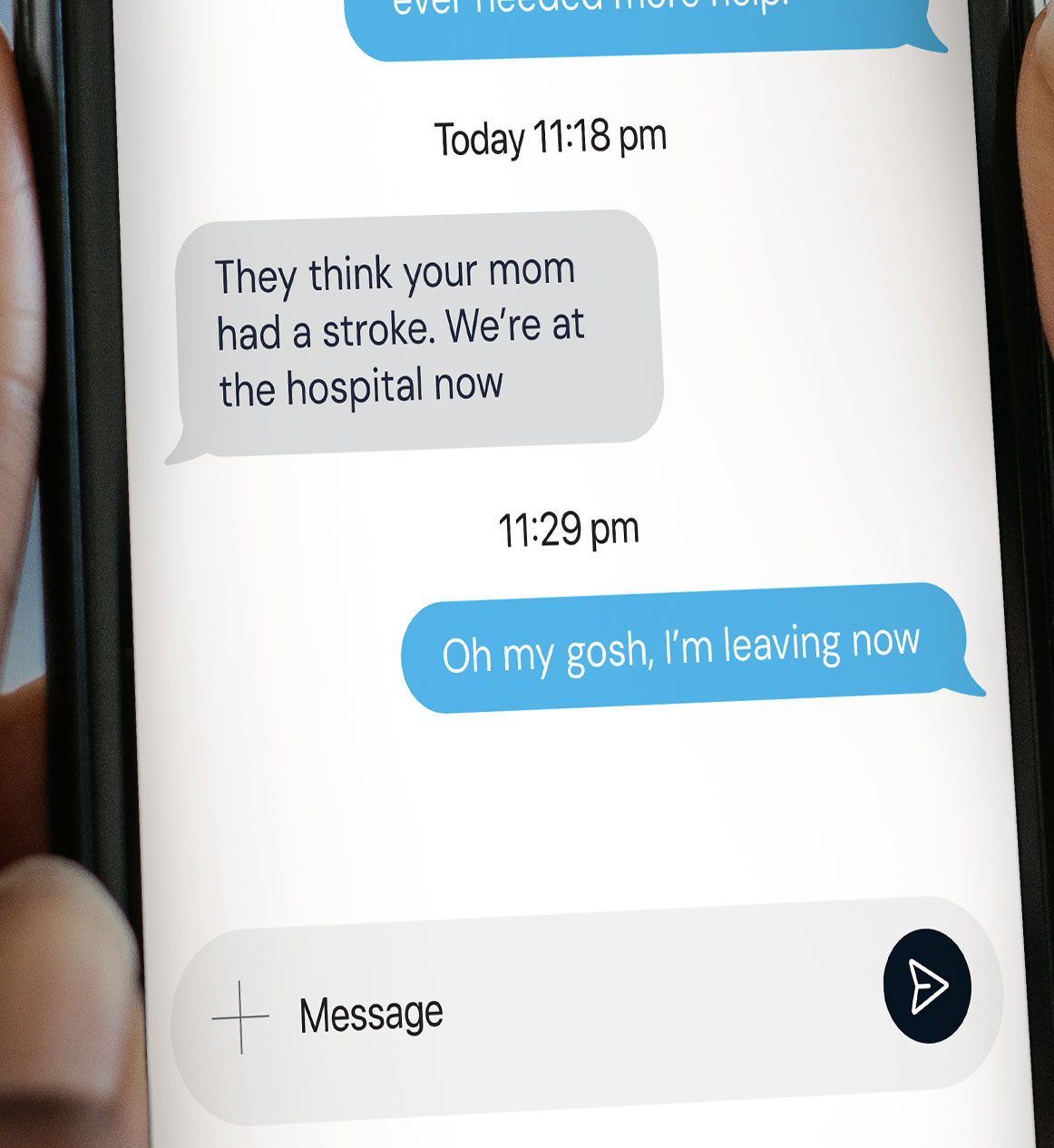
You never
know when
your caregiving
journey will start.
Resources
Start with the small steps now
We have a Prepare to Care Checklist with steps to help you get started, plus more free resources coming soon. Share your email below and we’ll send it your way.
Some people become caregivers overnight or after a sudden diagnosis. Others feel the demands over time. Hear from real caregivers sharing their stories as you prepare.
Caregiver testimonial
What Janet realized
six years later
“I didn’t realize I was a caregiver.”
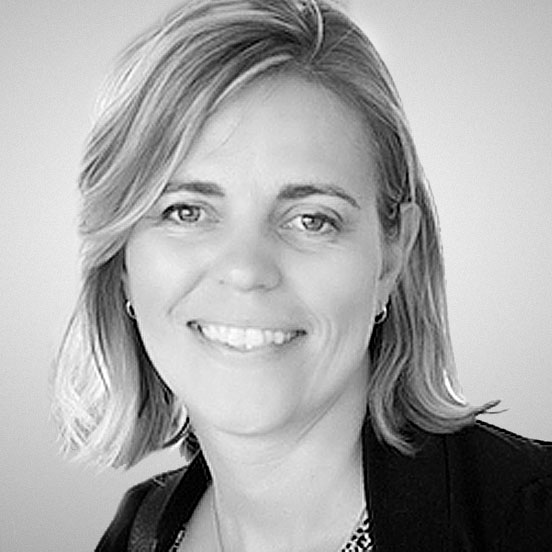
What started with picking up a few groceries here and there, or bringing in the odd meal, gradually became something more. Janet realized she had become a caregiver to her mom, who was 84 at the time.
“My mom is fiercely independent and was determined to continue living on her own when my father died,” she says. “But I began to notice little things slipping that she would never do—the bed wasn’t made every day, the dishes weren’t getting done, making meals caused stress, and bills were sometimes forgotten altogether.” It was the early signs of dementia.
Janet stepped in—while raising two teenage daughters and juggling a full-time job—to take her mom to appointments, manage meals and housework, and her mom’s busy social calendar.
Six years later, Janet is still doing everything she can to honour her mom’s wish to remain at home. But along the way, she’s learned an important lesson—you can’t do all on your own.
“When caregiving is gradual, you feel like you can handle it all in the beginning, but it’s not sustainable,” she says. “I realize now I should have asked for help sooner.”
Reality in Numbers
The numbers say it all. 4 million people in Ontario are caregivers. Thousands more may not even realize they are one.
of prospective caregivers say it is important to be prepared for caregiving, but more than half have not started making plans
Ontarians are expected to be caring for someone by 2030
of prospective caregivers say they aren’t prepared for the impact it would have on their life
of the care in Ontario’s healthcare system is provided by caregivers
customer support
Frequently Asked Questions
Find answers to common questions and learn more about the resources you can expect to receive. For immediate support, OCO’s Helpline is here to help. To learn about programs and services available near you :
No. These resources are for anyone who expects to take on a caregiving role, anyone already in one, or anyone who knows someone in that position and wants to pass this along. If a health condition, aging, or a change in someone’s care needs is starting to come into view, the earlier the preparation begins, the more helpful it tends to be.
Many people supporting a parent, partner, family member, or friend don’t use the word “caregiver” to describe what they’re doing; it can feel like being a good daughter, son, partner, or friend. This term simply refers to anyone providing unpaid support to someone else. When we recognize the caregiving happening, it helps us access resources and support that can help us on our caregiving journey.
OCO’s what is a caregiver webpage can help clarify whether this role already applies or is starting to.
Signing up with an email allows us to send you the Preparing to Care resources: practical guidance on getting ready for a caregiving role, covering topics like starting conversations with family, navigating the healthcare system, and financial and legal planning. You’ll also get an email series that dives deeper into these topics over time, with new resources added on an ongoing basis.
No. All of our resources are free.
The Ontario Caregiver Organization (OCO) is funded, in part, by the Ministry of Health and exists to improve the lives of Ontario’s 4 million caregivers. OCO supports caregivers by being their one point of access to information, so they have what they need to be supported in their role.
Yes. Much of the guidance in these resources (starting conversations, planning ahead, recognizing burnout) applies no matter where the person receiving care lives and are available to anyone.